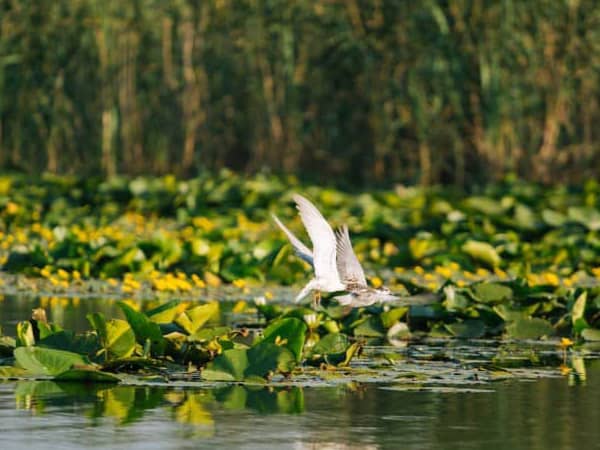
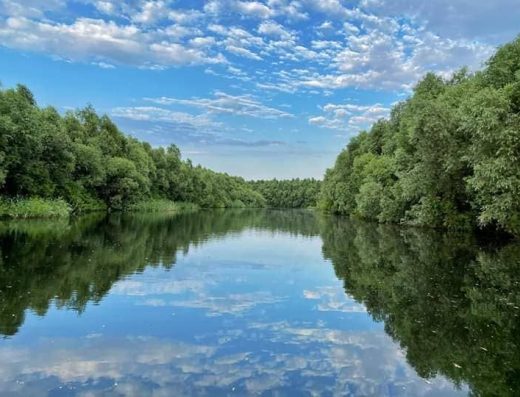
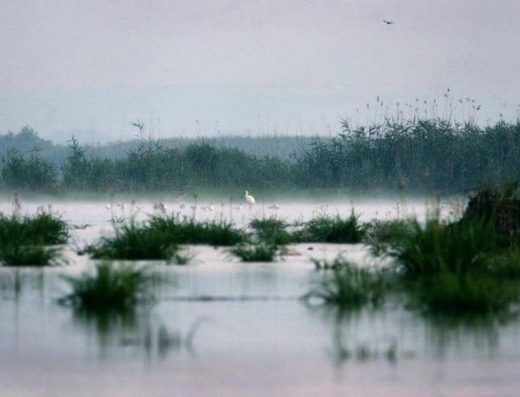
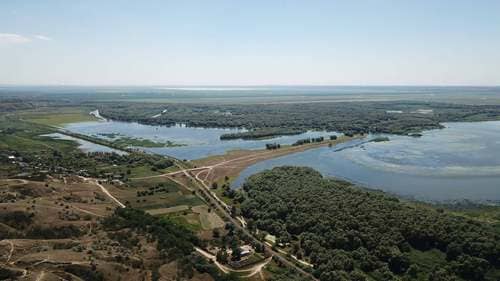
 The Lower Prut Scientific Reserve is a protected area located in the lower course of the Prut River.Here, the beauty of nature bursts forth in divine splendor.Nearly two-thirds of the reserve’s surface is occupied by Lake Beleu.The rest of the territory is covered with willows, reeds, and other herbaceous and woody plants typical of the floodplains of the Lower Prut area.
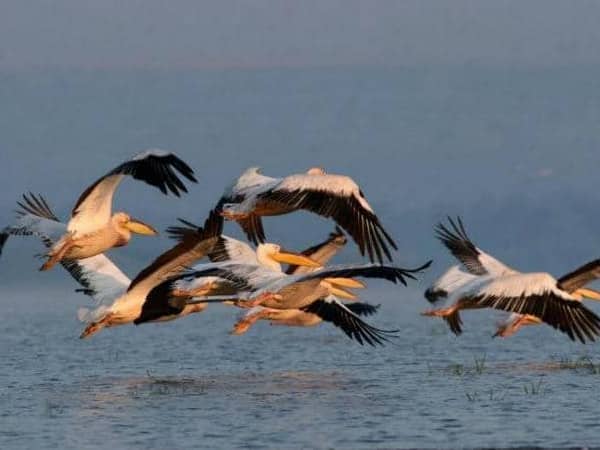
The area is inhabited by 155 bird species, of which 33 are rare and 12 are endangered.Among the rare birds that can be found here are: the egret, swan, spoonbill, pelican, pygmy cormorant, ruddy shelduck, black-headed gull, and others.Here you can find 193 plant species, including several listed in the Red Book of Moldova: the white water lily, salvinia, floating water chestnut, and water soldier.The reservation is also home to rare mammal species such as the otter, ermine, and European mink.The complex’s aquatic fauna is represented by over 30 species of fish, including carp, crucian carp, bream, ide, asp, salmon, and zander.
The Lower Prut Scientific Reserve is a protected area located in the lower course of the Prut River.Here, the beauty of nature bursts forth in divine splendor.Nearly two-thirds of the reserve’s surface is occupied by Lake Beleu.The rest of the territory is covered with willows, reeds, and other herbaceous and woody plants typical of the floodplains of the Lower Prut area.
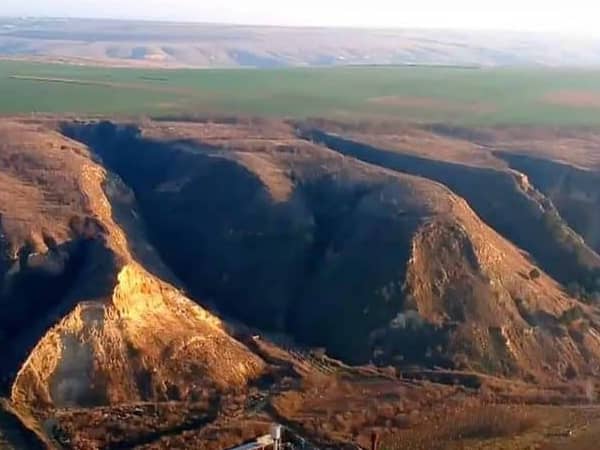
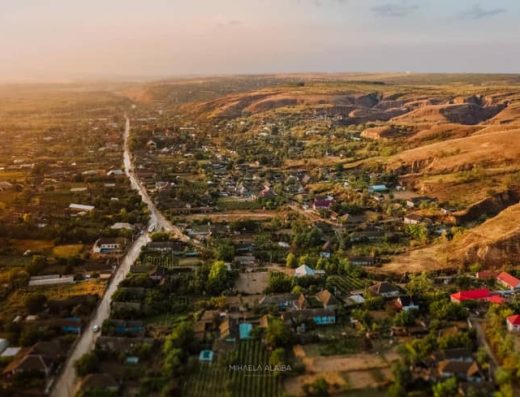
The area is inhabited by 155 bird species, of which 33 are rare and 12 are endangered.Among the rare birds that can be found here are: the egret, swan, spoonbill, pelican, pygmy cormorant, ruddy shelduck, black-headed gull, and others.Here you can find 193 plant species, including several listed in the Red Book of Moldova: the white water lily, salvinia, floating water chestnut, and water soldier.The reservation is also home to rare mammal species such as the otter, ermine, and European mink.The complex’s aquatic fauna is represented by over 30 species of fish, including carp, crucian carp, bream, ide, asp, salmon, and zander.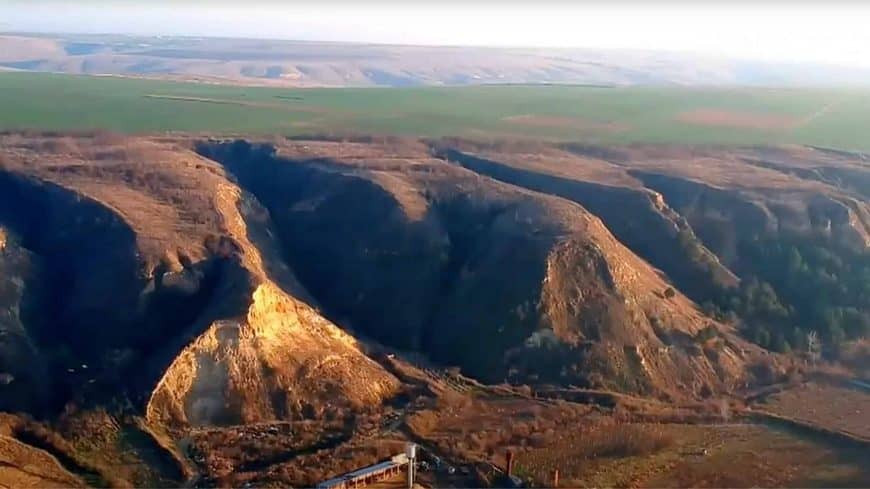 The Văleni Outcrop, also known as the Golden Hills, is a spectacular site located south of Văleni village in the Cahul district.It represents a true natural monument of unique geological and paleontological value.This area, protected by the Academy of Sciences of Moldova, offers visitors a breathtaking view of geological layers that reveal a history spanning millions of years.
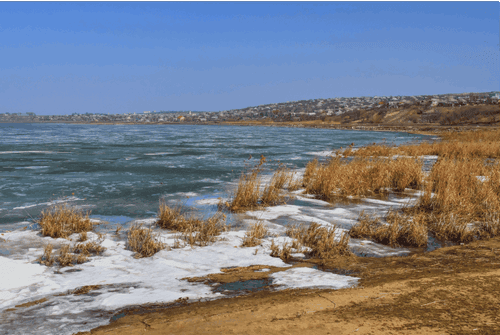 Lake Manta is the largest natural lake in the Republic of Moldova, covering an area of 2,100 hectares.It is a true paradise for water-loving plants and wildlife, such as the cormorant, white stork, egret, heron, coot, bittern, crane, pelican, seagull, swans, raccoon dog, nutria, ground squirrel, fox, wild cat, water snail, mussels, turtles, wild boar, roe deer, white water lily, yellow water lily, European mink, and other species listed in the Red Data Book of Moldova.From the hill of Manta village, the lake’s wetlands spread out before you like the palm of your hand: Bădelnicul, Dracile, Rătundul, Lişteavul, Bătcăriile, Tinosul; and the channels—Balacea, Ciortul, and Surda.Reed beds, ridges, watermills, islets, and floating islands can be seen everywhere.
Lake Beleu
Lake Beleu is situated on the Prut River, near the village of Slobozia Mare.The average surface area of the lake is 9.5 square kilometers. Lake Beleu is one of the largest natural lakes in the Republic of Moldova, with a water volume of 8.39 million cubic meters.In terms of its origin, Lake Beleu is a relict of the Danube limans, formed five to six thousand years ago.Over 20 species of fish inhabit Lake Beleu, including the Danube bream, pumpkinseed sunfish, European mudminnow, carp, zander, ide, and others.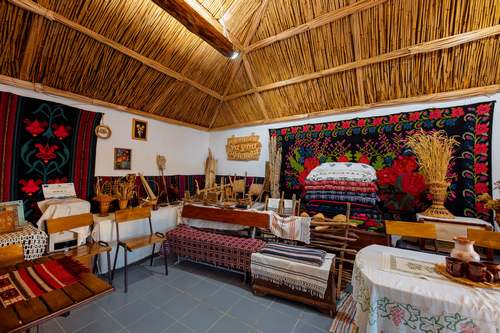
The Bread Museum: Traditions and Customs
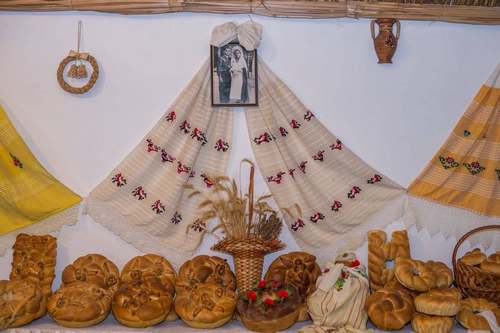
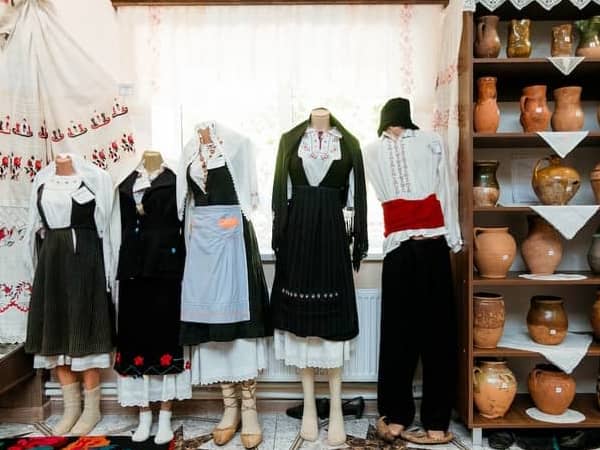
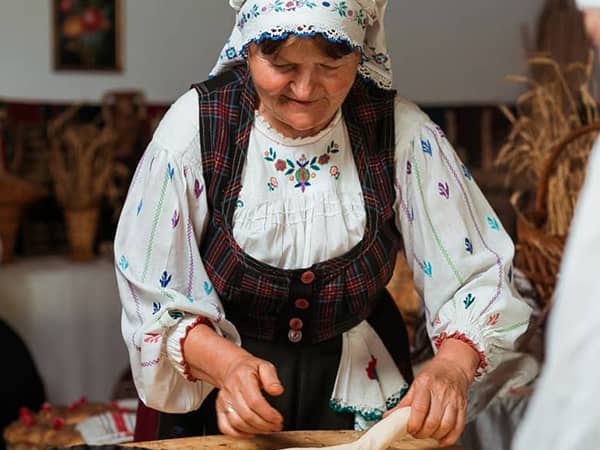
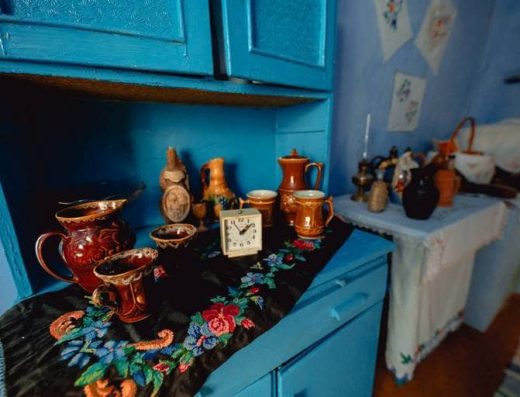
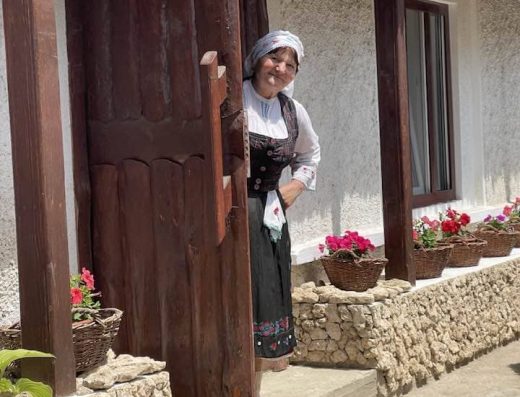
For more than 10 years, an extraordinary museum has been open in the village of Văleni.It is a place where the host, Vera Caminschi, shares traditions related to the ritual breads (colaci) used in various ceremonies, showing you different types and explaining what makes each one unique.The museum’s primary “exhibits” are 12 types of traditional wedding breads.In addition, the museum houses many artifacts used by ancestors in crafts and agriculture.You can also find hand-embroidered tablecloths, wool carpets, traditional tableware, and much more.Vera also organizes bread-baking workshops and welcomes all her guests with delicious colaci and herbal tea with honey.In the museum’s courtyard, you will find the “La Gura Cuptorului” guesthouse, which can accommodate up to seven visitors overnight.To diversify your holiday, guests can also enjoy hiking tours organized by the host.