


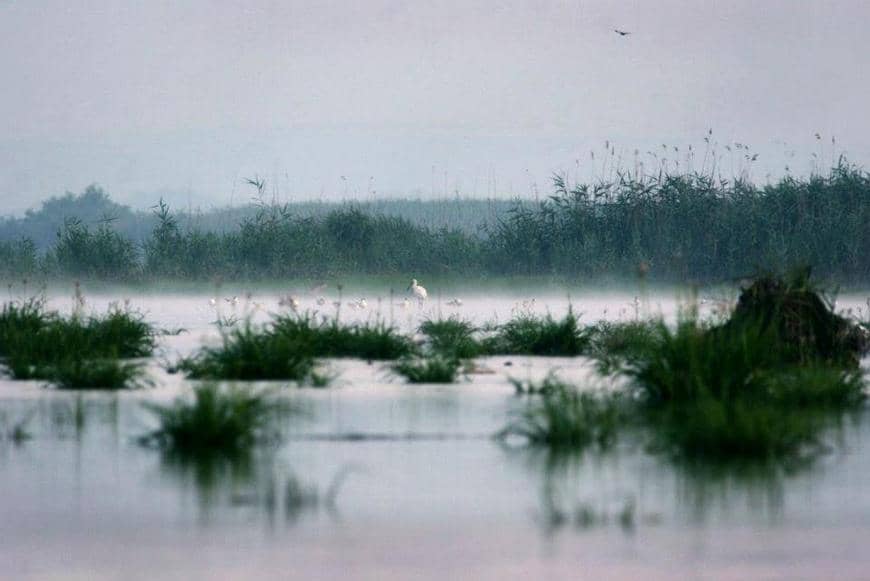
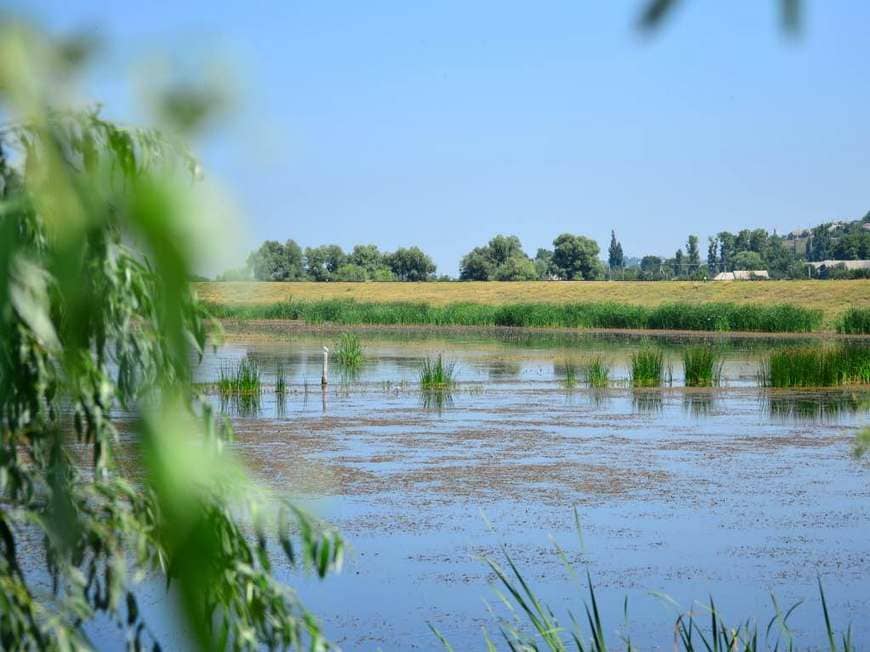
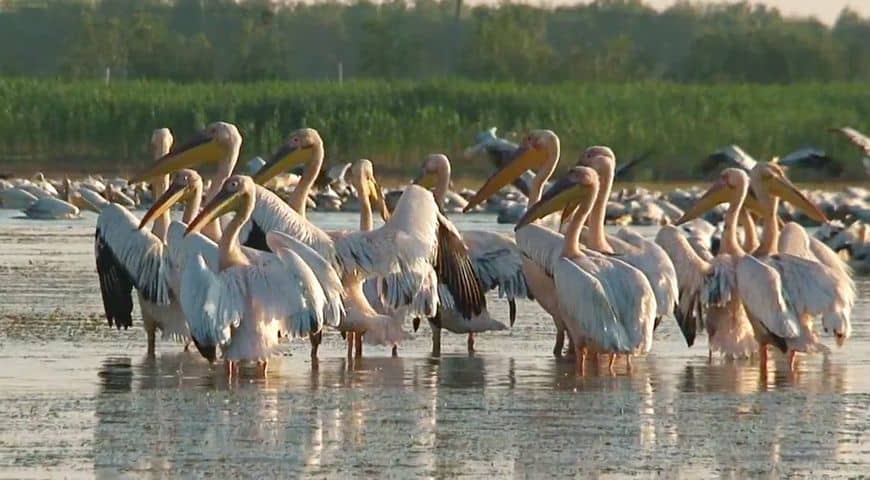
If you dream of an escape into nature, where silence intertwines with magnificent biodiversity, then “Lower Prut” (Prutul de Jos) is your ideal destination.
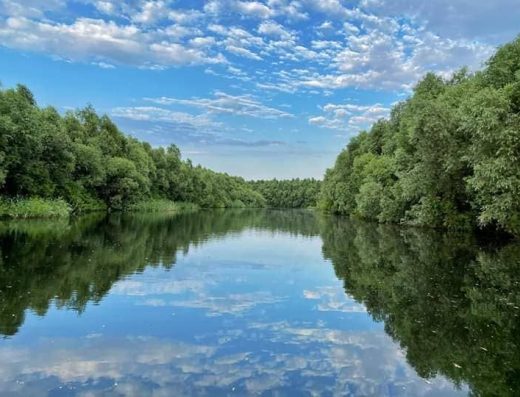
Covering over 1,600 hectares, the reserve is a true labyrinth of lakes, marshes, forests, and meadows.
Located in southwestern Moldova, in the Cahul District, the Prutul de Jos Scientific Reserve encompasses Lake Beleu and its surroundings, serving as an authentic living museum of nature.
In 2018, this slice of paradise was included in the UNESCO World Network of Biosphere Reserves, becoming the first site of its kind in the Republic of Moldova.
Its crown jewel is Lake Beleu, a thousand-year-old relic of the Danube that serves as a thriving oasis for flora and fauna.
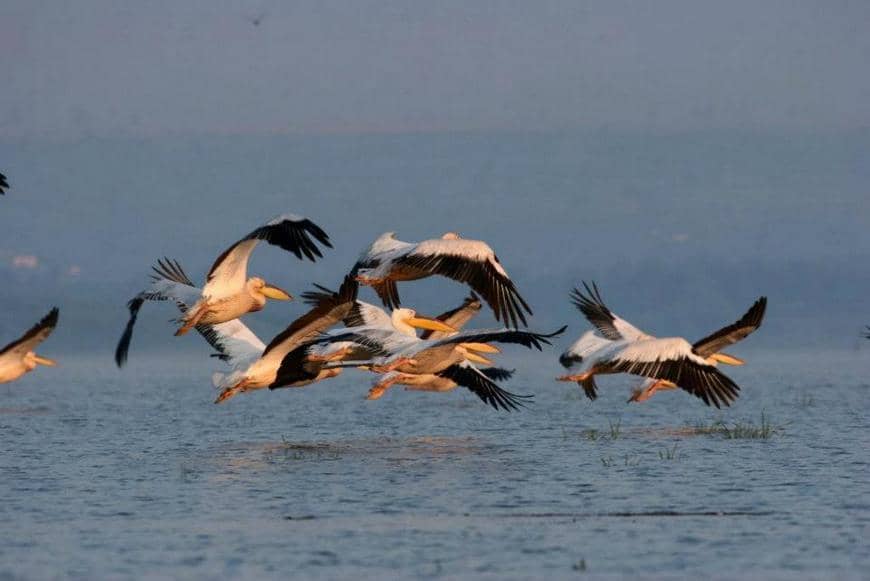
Here, you can encounter over 200 species of birds, including pelicans and swans, about 40 species of rare mammals—such as the otter and the European mink—and over 300 species of plants, many of which are protected.
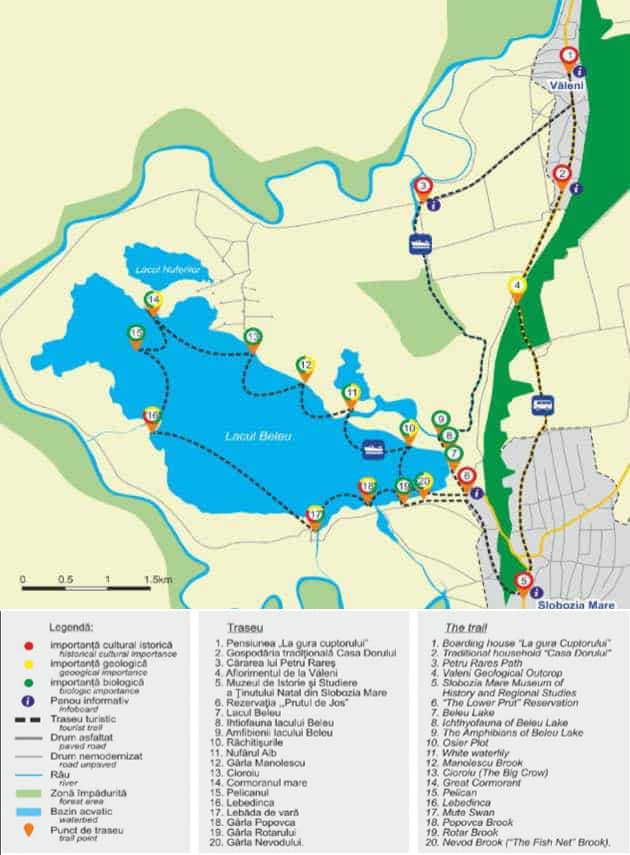
The map of the Prutul de Jos reserve offers both water and land routes, perfect for hiking, guided tours, and birdwatching.
At sunset, the sight of migratory birds offers an unforgettable experience.
Map of the Lower Prut region with available routes
Interesting Facts and Sites to Visit
Beyond its natural beauty, the Prutul de Jos territory is rich in points of interest:
- History & Heritage: Learn about the region’s past at the Museum of History and Local Lore in Slobozia Mare.
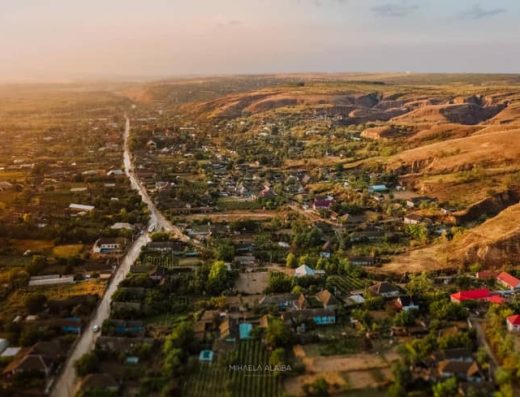
- Prehistoric Discoveries: Visit the Văleni Outcrop, where mastodon fossils were discovered.
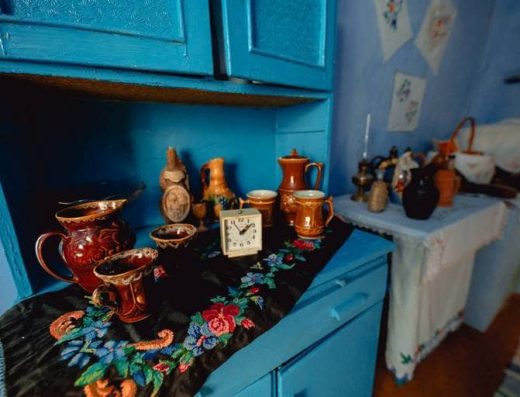
- Cultural Treasures: Don’t miss the “La Bunica Clava” rural estate or the unique Bread Museum.
Accommodation and Relaxation
To fully immerse yourself in this unique location, you can stay nearby at Eco-Village Văleni or the “La Gura Cuptorului” guesthouse, where warm local hospitality awaits.
The rustic atmosphere, traditional cuisine, and the tranquility of the area will help you completely disconnect from the daily hustle and bustle.
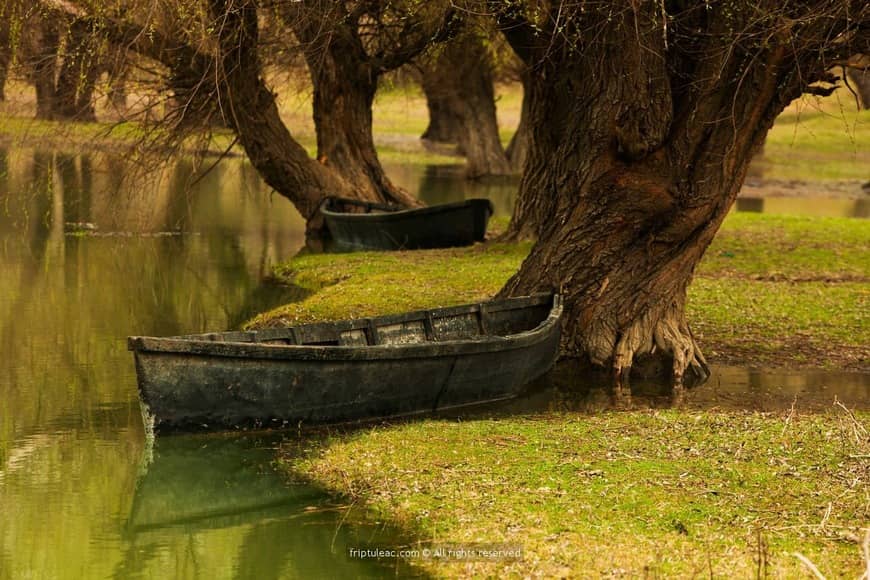
Whether you are looking for a peaceful stroll, a boating adventure on Lake Beleu, or simply wish to admire the pristine beauty of Prutul de Jos, this place is sure to win your heart.
It is more than just a reserve—it is the living history of nature in Southern Moldova.
Please sign in to see contact details.
 Add Review
 Read More Reviews
Adriana Verdeș
a week agoI do not recommend!!! I walked more than 200 km to visit one of the "most picturesque places in Moldova" where the lake is dry, the lady from the administration is rude and the online information has not been updated for years. In autumn, the lake is low tide and more than half of it is dry, horses and domestic cows graze on the spot (CONSIDERED ILLEGAL IN THE RESERVATION) And the territory is unkempt
Danu Eu
2 weeks agoIt is not arranged at all, the administration is missing, and they are not polite on the phone at all. I came 200km from Chisinau simply for a dry lake
Mathieu LACOURBAS
a month agoRandom signage on the walking trail, administration difficult to find and closed
Elena Rozovel
4 months agoDina Ivascisin
4 months ago