


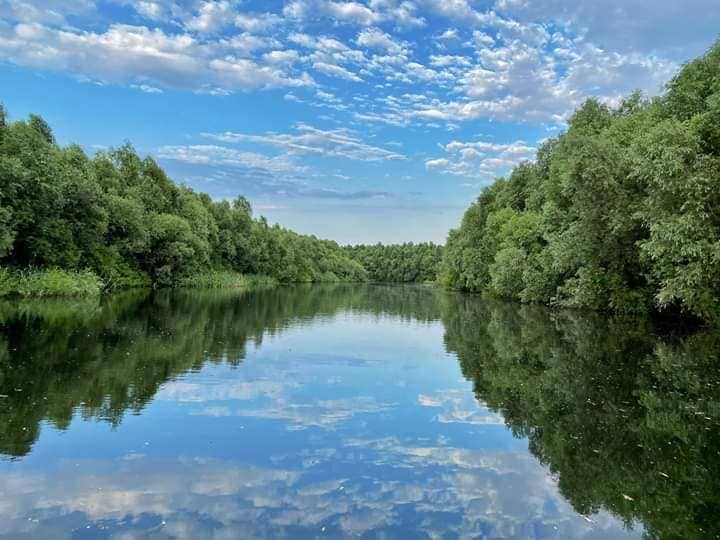
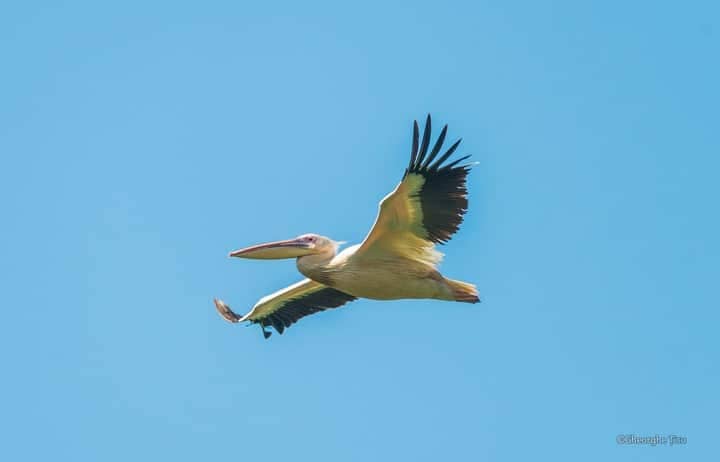
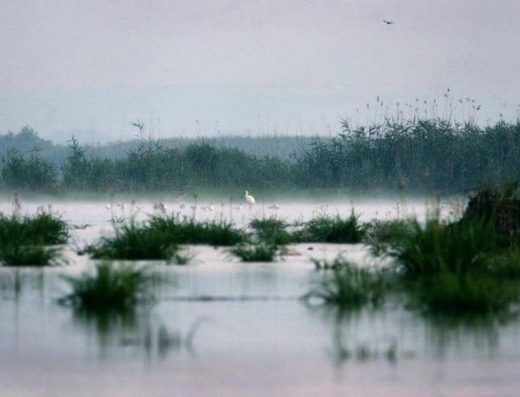
Beleu is not just a lake; it is a living relic, 5,000–6,000 years old, formed by the waters of the Danube.
Spanning 5 km in length and 2 km in width with an area of over 600 hectares, it is one of the largest natural lakes in the Republic of Moldova.
Here, water and land merge into a vibrant ecosystem recognized as a wetland of international importance and included in the UNESCO network.
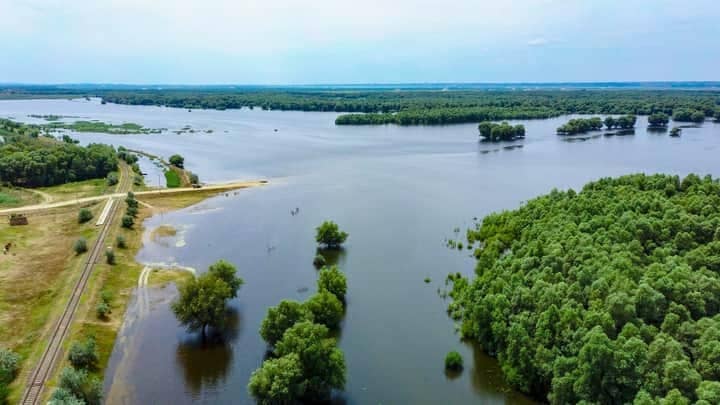
The water level is dynamic—it shifts according to the floods of the Danube and Prut rivers, creating a new vista every time.
An Oasis of Biodiversity
Beyond its idyllic scenery, Lake Beleu is a wildlife sanctuary and a vital stopover for migratory birds.
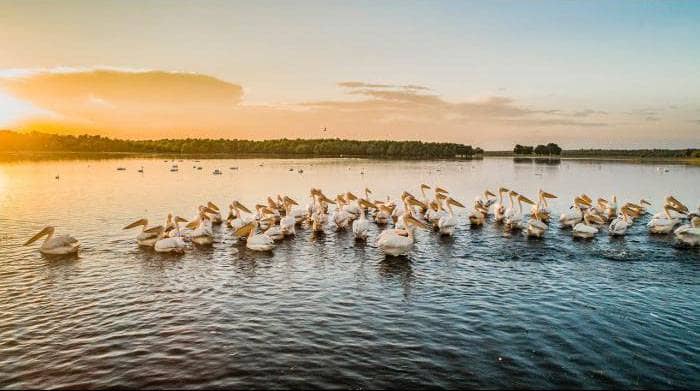
Every year, thousands of pelicans rest here for several weeks, putting on an unforgettable show at sunset.
The region is rich in flora and fauna, featuring:
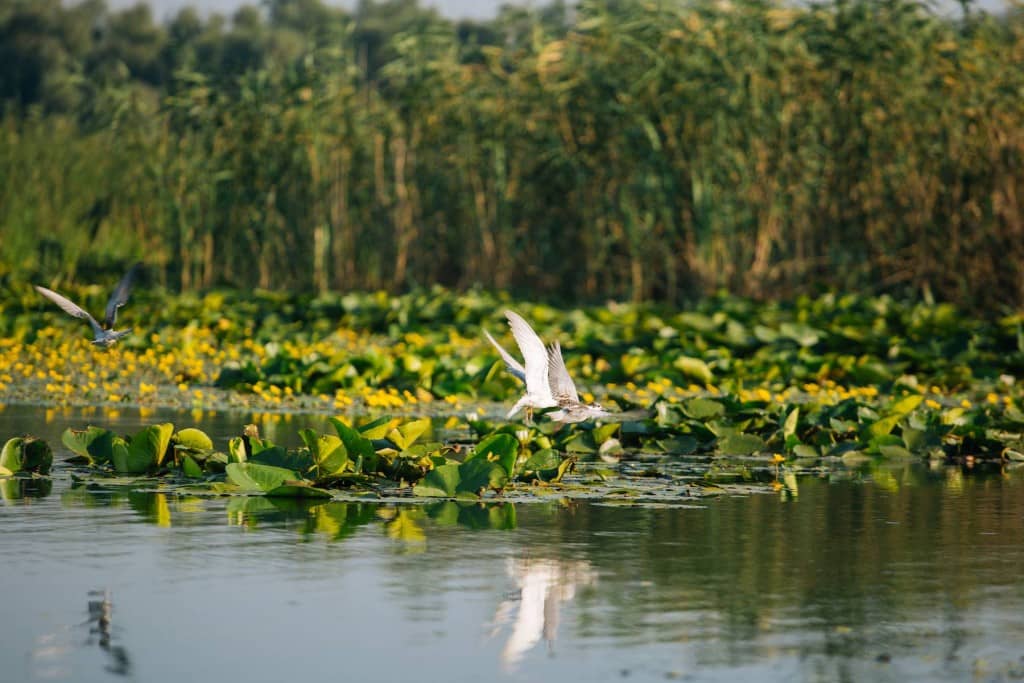
- Plants: From water lilies to vast reed beds.
- Animals: 198 species of animals and 140 species of birds.
- Rare Species: Otter, European wildcat, and European mink.
- Fish: Over 20 species, including carp and pike-perch (zander). Note: Fishing is strictly prohibited to preserve biodiversity.
Plan Your Adventure
Lake Beleu is the perfect destination for hikers, birdwatchers, or those simply seeking peace.
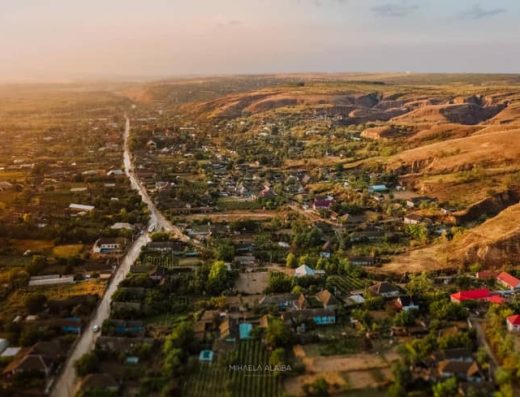
The landscape—with its flood meadows, willow forests on islands, and golden hills—is ideal for exploration.
Nearby, you can find other natural monuments, such as the rock outcrops in Văleni, where researchers discovered the remains of mastodons and rhinoceroses—witnesses of eras long past.
Where to Stay?
To make your visit comfortable, we recommend these nearby guesthouses:
Key Information: Lake Beleu & Lower Prut Reserve
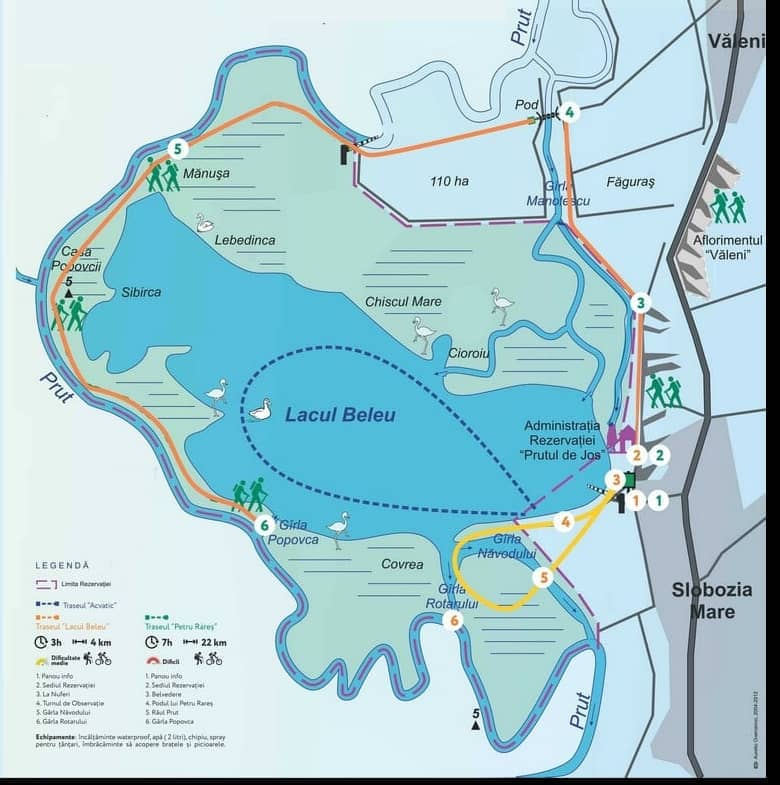
ESTABLISHED: 1991
(Government Decision No. 209 of April 23)
TOTAL AREA: 1755,4 ha
(protected zone — lithomorphic sector 1.5 km wide)
Territory Structure
- Lake Beleu: area 628 ha, size 2 × 5 km, average depth 0.5–1 m. A relic of the Danube liman.
- Pastures: 124 ha
- Forests: 370.4 ha
- Floodplain meadows: 610 ha
- Other land: 23 ha
Flora and Fauna
 Birds
Birds
Lake Beleu and its adjacent floodplain are home to 206 bird species.
Among them, 44 rare species are protected at national and international levels, including the pygmy cormorant (Phalacrocorax pygmaeus), great white egret (Egretta alba), black stork (Ciconia nigra), squacco heron (Ardeola ralloides), Eurasian spoonbill (Platalea leucorodia), great white pelican (Pelicanus onocrotalus), glossy ibis (Plegadis falcinellus), and others.
 Fish
Fish
The ichthyofauna of the aquatic complex includes more than 32 fish species (carp, crucian carp, pike, pike-perch, catfish, bleak, bream, etc.).
Rare species include the sabrefish (Pelecus cultratus), pumpkinseed sunfish (Lepomis gibbosus), European mudminnow (Umbra krameri), zingel (Zingel zingel), and others.
 Vegetation
Vegetation is mainly represented by dense reed beds, willow groves, and a rich cover of aquatic plants in floodplain areas (cattail, bulrush, duckweed, water lily, arrowhead, etc. — a total of 312 plant species).
Species listed in the Red Book include the white water lily (Nymphaea alba), floating salvinia (Salvinia natans), water chestnut (Trapa natans), and wild grapevine (Vitis sylvestris).
 Mammals
The reserve hosts 39 mammal species (wild boar, roe deer, fox, raccoon dog, pine marten, etc.).
Rare species include the otter (Lutra lutra), wildcat (Felis sylvestris), stoat (Mustela erminea), and others.
 Reptiles and Amphibians
Reptiles are represented by 7 species, amphibians by 9 species.
Rare species include the European pond turtle (Emys orbicularis), Caspian whipsnake (Coluber caspius), European tree frog (Hyla arborea), and common spadefoot toad (Pelobates fuscus).
 Aquatic Zone
The reserve is part of the Ramsar wetland “Lower Prut Lakes” (site No. 1029).
Since 2018, it has been included in the Lower Prut Biosphere Reserve.
The reserve is located in the Lower Prut Valley, west of the village of Slobozia Mare (Cahul).
Tourist Attractions
 Museum of History and Ethnography
 +373 29960476
 Slobozia Mare
- Bread Museum
- +373 79414019
- Văleni
 La Gura Cuptorului Guesthouse
- +373 79575622
- Văleni
- “Mama Catita” House-Museum
- Slobozia Mare
- “Peasant Household” Museum (Curtea Țărănească)
- +373 79017151
- Väleni
- Farm Guesthouse “Potcoava Verde”
- +373 69689393
- Slobozia Mare
 Vinăria din Vale
- +37369388515
- Slobozia Mare
- “Casa Dorului” Guesthouse, Eco Village Văleni
- +373 79017151
- Valeni
- CORBU Winery, Eco Village Văleni
- +373 79017151
- Văleni
- Guest House “Popasul Bunicii”
- +373 29963290
- Văleni
 Add Review
 Read More Reviews
Daniel Carastan
2 weeks agoBla Ca
2 weeks agoBeautiful lake and nice to see birds.
Doina Simion
3 weeks agoI saw absolutely nothing! Reeds, cattails and that's about it. There's a gazebo somewhere near the lake from where you can see the lake.. The roads are very bad up there.
Elena Rozovel
a month agoMarta Gutu-Vasluian
a month ago